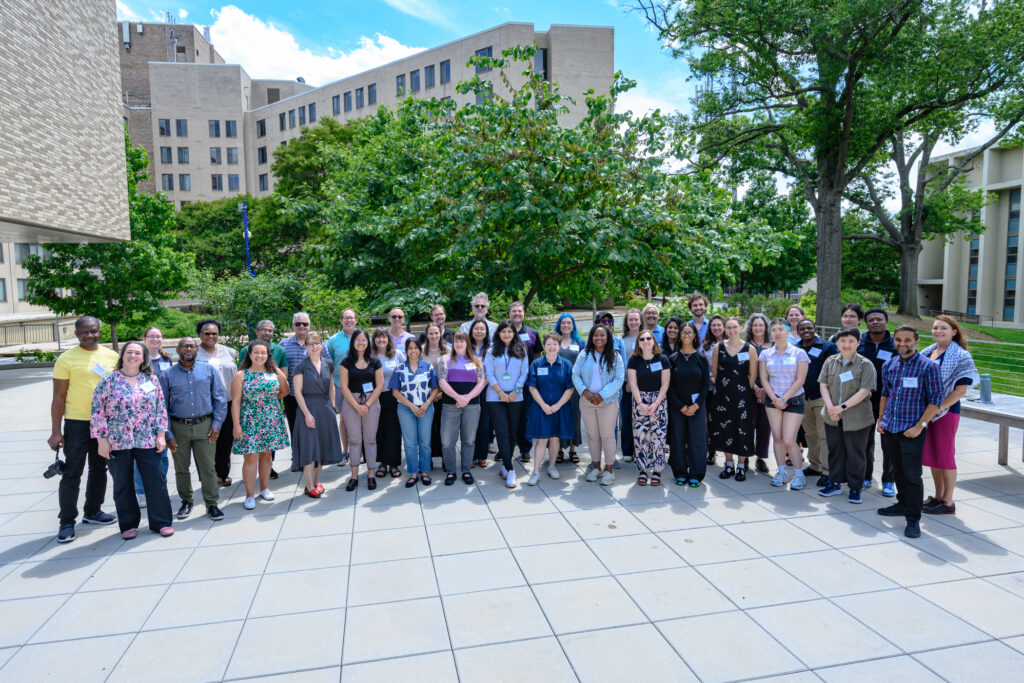
Year 5 was another great year for the RECIPES Network!
With 131 personnel, we continued to bring together researchers and community partners to better understand the causes and volume of wasted food and explore solutions for more sustainable food systems. Here’s a look at what we did:
Continued to advance food waste research through 17 peer-reviewed publications, exploring topics ranging from food recovery and agricultural trade to food quality and plastic contamination.
Shared our work through 19 presentations at conferences, universities, and professional organizations, connecting with researchers and communities across disciplines.
Developed 4 datasets, 2 dissertations, 2 articles, 1 educational resource, and 1 report, expanding the resources available to support future research and education.
As we enter our last year, the Convergent Futures project helped us reflect on our research, identify shared priorities, and explore future iterations of the RECIPES Network.
Educational Resources
Food-Fueled Undergraduate Food Systems Science Journal
Food-Fueled continues to provide a platform for undergraduate and high school students to share their research and ideas on food systems. With Volume III released in 2026, the journal encourages students to explore food systems science and contribute to conversations around sustainability and wasted food. Read the latest volume and learn how to submit your work here
Food for Thought: Why Waste Undergraduate Academic Course
Our Food for Thought: Why Waste course is available online through Canvas Commons, giving students the opportunity to explore wasted food through sustainability, social justice, and interdisciplinary research. The course introduces students to the challenges of food waste while encouraging them to think critically about solutions and their role in creating more sustainable food systems. Access the course here.
Progress on Our 3 Research Questions
1: How do we measure and understand the complexities of wasted food?
- Continued our National Household Food Waste Tracking Survey, collecting data to better understand how much food U.S. households waste and what influences their decisions. The survey explores topics such as food prices, food date labels, and other factors affecting food waste. Read more about the survey and its findings.
- Examined plastic contamination in food waste management, including microplastics found in products from anaerobic digestion. Read the publication.
- Analyzed shocks to agri-food flows between counties in the U.S. Read more.
2: What solutions work, and where?
- Compared the environmental impacts of different food donation and redistribution strategies to better understand how food recovery can support more sustainable food systems. Read the publication.
- Analyzed food rescue volunteers’ motivations to build new modeling frameworks. Read more.
- Developed a general equilibrium model of the US Midwest to compare carrot vs. stick policies. Read the findings.
3: How do we co-create knowledge across sectors?
- Collaborated with retail food donation programs in New York State to better understand opportunities for recovering surplus food. Read the research.
- Piloted an intervention to reduce household food waste among adults in Washington, DC. Read the study.
- Collected insights on “everyday convergence” from within RECIPES, and started the next phase to collect insight from partner organizations. Read more.
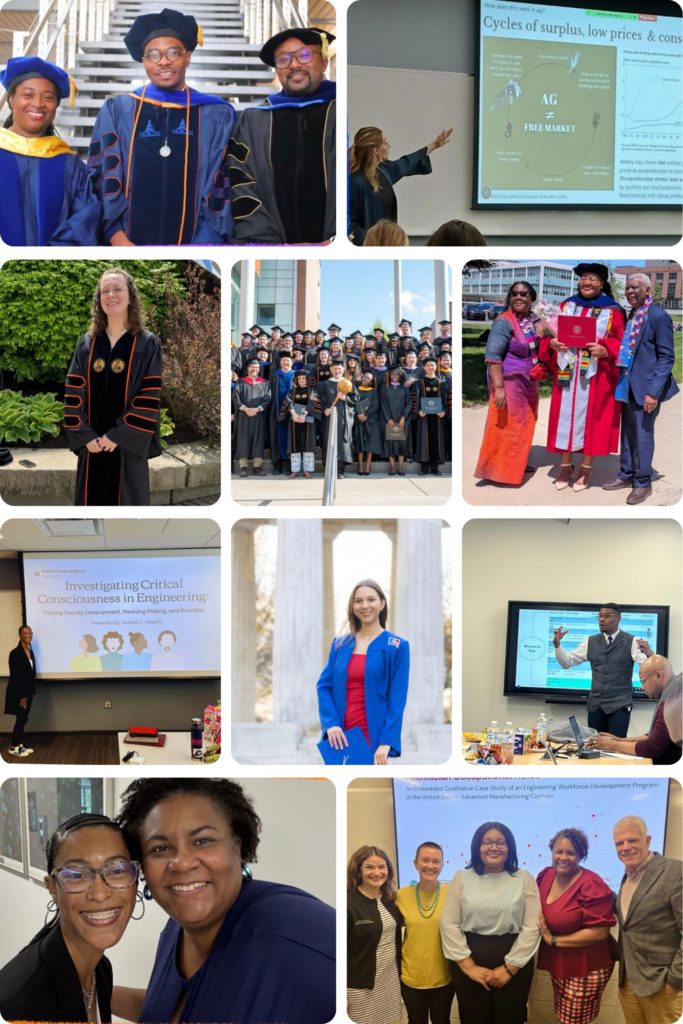
Congratulations to this year’s RECIPES graduates!